


Let us help you find what you're looking for.


About Us
The Department of Hand and Reconstructive Microsurgery in Singapore General Hospital provides comprehensive management of all trauma and diseases affecting the hand, wrist and upper limb. An internationally renowned tertiary referral centercentre for complex conditions affecting the hand, wrist and upper limb in both adult and paediatric patients, the Department provides subspecialty care for the entire Singhealth cluster of hospitals (Singapore General Hospital, Sengkang General Hospital and Changi General Hospital) and care of the congenital hand differences and other paediatric upper limb conditions at KK Women and Children’s Hospital. 24-hour emergency, specialist outpatient clinics and ambulatory surgery services are provided.
The department comprises 9 specialist consultant surgeons, each with sub-specialty interests, and 4 associate consultants. Our aim is to provide comprehensive and quality care for the hand, wrist and upper limb in a one-stop centercentre with the backing of a dynamic and proficient team of junior doctors, resident trainees, nurses, therapists and administrative staff.
Hand and upper limb surgery is an exciting field with many research avenues. We have strong academic ties to our partners including engineers, neuroscientists and epidemiologists. We also have strong ties with developmental biologists to research congenital hand differences and other malformations.
Contact Information
Singapore General Hospital,
Academia, Level 4
65 6222 3322
(for general enquiries)

Our Vision
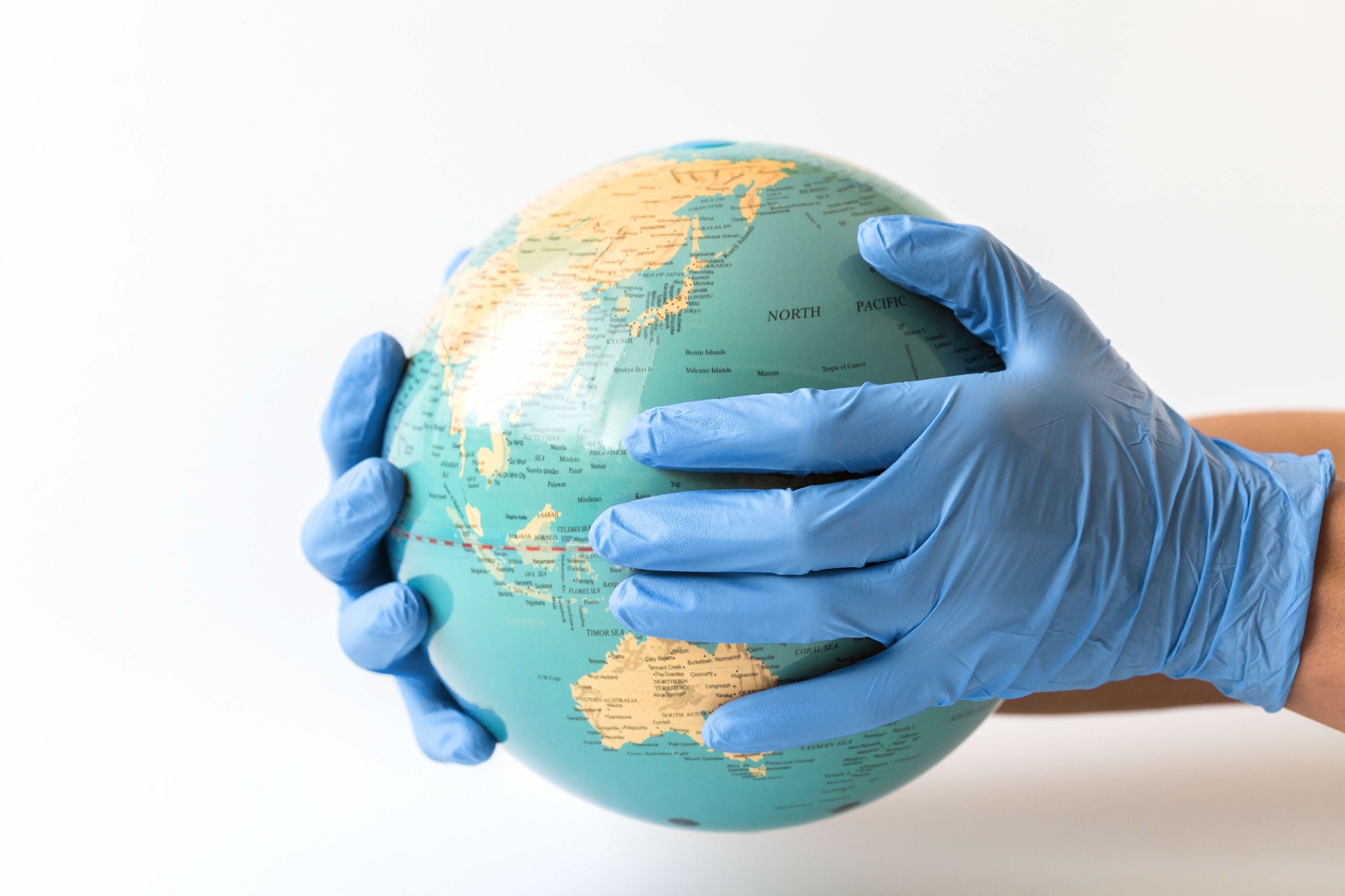
A Leading Global Hand Center in Clinical Care, Research, And Outreach In The Asia-Pacific Region And Beyond
Our Mission
To Achieve Our Vision through Visionary Leadership, Multidisciplinary Collaboration, Innovation, Creative Education and Commitment to Delivering Excellence In Patient Care.

Clinical Services
The department delivers advanced care for complex hand and upper limb conditions combining clinical excellence, innovative surgical techniques, and collaborative research to restore function and improve quality of life for patients.

What We Do
What Is Microsurgery?

Microsugery is the art of joining small vessels or nerves together under magnification. This allows the replantation of amputated digits or reconstruction of hand functions through free tissue transfer.
Since its establishment in 1985 the Department has become the main centre in Singapore for microsurgery of the hand and upper limb. We have been successful in replantation surgery ranging from distal digit tip to proximal arm amputations. Our youngest successful replant was 8 months old and the oldest 65 years of age. We introduced the practice of early mobilisation, functional reintegration for the replanted hand. This has resulted in a significant improvement in the functional recovery of the replanted part.
Our services include:
- Replantation of amputated digits
- Toe to hand transfer for thumb and digit reconstruction including joint transfer
- Free tissue transfer for soft tissue defects
- Free vascularised bone grafts for bony defects (e.g. free vascularised fibular grafts, free medial femoral condyle bone grafts)
- Intelligent prosthesis through targeted muscles reinnervation
Beyond surgery, we work with our nursing and therapy staff to provide comprehensive, round the clock post-operative surgical care, optimising success rates and enabling our patients to achieve the best functional outcome possible.
Make an Appointment
Singapore citizens may visit the SGH Appointment Page to make a referral.
For overseas referrals, please submit your request via FormSG.
What are Wrist Conditions?


A distal radius fracture is a break in the radius bone near the wrist (the “distal” end), most commonly after a fall onto an outstretched hand. In hand trauma, it can affect wrist alignment and function, and may be associated with injuries to the ulna, carpal bones, nerves, or ligaments.
Our department is the leading centre in Singapore for wrist-related injuries and other disorders. These injuries are extremely common, whether from high work demands, sports-related injuries, accidents, or daily overuse.

Being a complex joint, pain over the wrist can be the result of injury or sprains to various bones or ligaments. Some common conditions include:
- Fractures of the distal radius and ulna
- Fractures of the small bones (carpal bones) of the wrist (e.g. scaphoid fractures)
- Injury to the TFCC (triangular fibrocartilage complex)/SL (scapholunate) ligaments
- Perilunate injuries
- Ulnar abutment syndrome
- Wrist osteoarthritis
Home to the International Wrist Centre Singapore, our specialists have an international reputation in Wrist arthroscopy and regularly lectures both nationally and internationally. We also host the Singapore Wrist Course annually, an event that attracts participants from all over the world.
Wrist Arthroscopy
Wrist arthroscopy provides a minimally invasive avenue via a small camera to both diagnose and treat certain conditions of the wrist, particularly TFCC/ligamentous injuries of the wrist. It can provide answers as well as relief to patients suffering from chronic wrist pain and functional limitations from such conditions. By avoiding open surgery, arthroscopy preserves the natural healing environment of the wrist for the restoration of bone, ligament and tendon injuries. Our department remains the leading centre in Singapore for performing, teaching and research in wrist arthroscopy.
Make an Appointment
Singapore citizens may visit the SGH Appointment Page to make a referral.
For overseas referrals, please submit your request via FormSG.
What are Congenital Hand Conditions?

Congenital hand differences affect approximately 1 in 2000 live births. It is the second most common congenital anomaly after heart conditions. Some congenital hand differences can affect the form and function of childrens’children’s hands, with lasting impact into their adulthood. Our specialists are world experts in congenital hand surgeries and have published several high impact papers that affect patient care (see list here). Since the 1980s, we have treated children from Singapore, the wider Asia Pacific region, and other countries.
Our practice is based mainly at KK Women’s and Children’s Hospital, the flagship paediatric hospital of Singapore. The multidisciplinary team consisting of surgeons, therapists and psychologists treat the entire range of congenital hand conditions, including the following:
- Extra digits e.g. thumb polydactyly, mirror hand
- Fused digits or syndactyly
- Wrist conditions like Radial club hand and Madelung’s deformity
- Short fingers or symbrachydactyly
- Large fingers or macrodactyly
- Missing fingers or thumb
Our Specialists
Meet the specialists who treat this condition:
Make an Appointment
Singapore citizens may visit the SGH Appointment Page to make a referral.
For overseas referrals, please submit your request via FormSG.
What are Nerve Injuries and Disorders?

Carpal Tunnel Syndrome
The nerves to our upper limb play an important role in providing movement, power and sensation. Nerve injuries can be devastating injuries and range from lacerations of the small nerves in our fingers to major ones like the brachial plexus in our necks. The symptoms can range from numbness to paralysis. Nerves can also be damaged by compression. Several compressive disorders like carpal tunnel syndrome remain the commonest conditions treated in our department.
Other than the general hand clinic, the department also runs a complex nerve clinic that caters to the entire range of nerve conditions including brachial plexus injuries, thoracic outlet syndrome and nerve tumours. By offering a one stop shop for surgical solutions to a variety of nerve disorders, we are able to help restore patients’ function and lives.
Nerve Compression
Nerve compressive disorders in the upper limb commonly affect the median nerve, ulnar nerve and radial nerve. They can present with numbness of the fingers as well as difficulty in gripping and are often a result of compression on the nerve from surrounding tissue.
Some of the common conditions include:
- Carpal Tunnel Syndrome
- Lacertus Syndrome
- Cubital Tunnel Syndrome
- Radial Tunnel Syndrome
These conditions can be improved with surgical release of the compression. Where applicable, we also offer endoscopic surgery, which has the same results as the traditional open approach but leaves a smaller scar.
Brachial Plexus Injuries

The brachial plexus is a complex network of the nerves to the upper limb following their exit from the spine and before they enter the limb proper. It controls movement and sensation to the entire upper limb as well as the shoulder and part of the back. Injury to the brachial plexus can result in significant weakness and numbness over affected areas. They can occur as a result of car accidents, shoulder dislocations, stab wounds, or even at birth.
Following investigations, we offer highly specialised surgery to explore and repair the brachial plexus through microsurgical nerve repair and nerve grafting. Where direct repair is not possible, we offer procedures such as nerve transfers, tendon transfers and tendon release as well as free functioning muscle transfers to improve functional outcomes.
Our unique Complex Nerve Clinic offers comprehensive care to patients with advanced nerve damage, where cases can be discussed in further detail with patient centred discussion. We work closely with our team of hand therapists to support rehabilitation and integration back to work and daily life.
Our Specialists
Meet the specialists who treat this condition:
Make an Appointment
Singapore citizens may visit the SGH Appointment Page to make a referral.
For overseas referrals, please submit your request via FormSG.
What Causes Spasticity and How Common is it?

Stroke is a prevalent condition in our society. There are close to 10000 new cases of strokes per year in Singapore alone and millions worldwide. Although a significant proportion of patients recover, there remain many with permanent disabilities. At least 75% of these have ongoing issues with the upper limb, interfering with activities of daily living including hygiene, feeding and dressing.
Spasticity is a condition where the arm and hand are unable to relax and over time, can result in contractures. Spasticity is usually the result of strokes or traumatic brianbrain injuries. In children, cerebral palsy can also result in spasticity.
Another important manifestation of stroke and related disorders is paralysis or loss of coordination (dystonia). Over time, contractures can result in the arm and wrist/fingers stuck in certain positions, resulting in loss of function as well as difficulty in caring for hygiene. Patients often complain of problems with posture, pain and disuse.
Our department specialises in management of these disorders. Our dedicated Spasticity and Rehabilitation (SPaR) Clinic for such patients provides holistic care pre- and post- surgery in a multidisciplinary setting. We work closely with our rehabilitation department to provide patients with the best care.
Some surgical interventions can include delicate operations such as muscle and tendon releases, as well as tendon transfers. Hyperselective neurectomy is a recently introduced procedure that is groundbreaking in its efficacy and low recurrence rate. The procedure aims to reduce tone through a one stage operation and can also potentially improve dystonic symptoms.
Our surgeons and rehabilitative physicians lecture regularly both nationally and internationally to share our expertise in many conferences and workshops.
Our Specialists
Meet the specialists who treat this condition:
Make an Appointment
Singapore citizens may visit the SGH Appointment Page to make a referral.
For overseas referrals, please submit your request via FormSG.
What are Degenerative Disorders in the Hand and Wrist?


Mucoid Cysts
Degenerative hand conditions are extremely common.
Over time, our joints degenerate as part of aging. The cartilage lining the ends of the bones wear away, causing bones to rub directly on each other end-on-end. This can result in painful, swollen and stiff joints. Our therapists provide comprehensive care with activity modification advice and specific therapy services eg heat therapy, bracing and splinting.

Dorsal wrist ganglion
Traditionally, joint fusion can be considered for those with debilitating pain that cannot be managed conservatively. However, recent advances have allowed the design of new implants.
Base of Thumb Arthritis

X-ray image of thumb carpometacarpal osteoarthritis (1st CMC OA)
For osteoarthritis of the 1st carpometacarpal joint, the joint at the base of the thumb, we are the first centre in Asia to offer patients the TOUCH® Dual Mobility Implant. This implant has shown promising 5 year results with reduction in pain while preserving excellent range of motion thereby improving functional outcomes and restoring quality of life.
We are also the first centre in Asia to publish a substantive series with the use of this implant.
Make an Appointment
Singapore citizens may visit the SGH Appointment Page to make a referral.
For overseas referrals, please submit your request via FormSG.
What are Tendinopathies?

Trigger finger
Inflammation to the tendons are common from overuse and occasionally trauma in our fast-paced society with high work demands. They can cause finger pain and wrist pain on moving.
Common conditions include:
- Trigger finger or thumb
- De Quervain’s tenosynovitis
- ECU tendinitis
- Repetitive strain injuries
These conditions can typically be managed with a trial of immobilisation and rest through splinting, or injection (steroids, platelet-rich plasma); following which, surgical release of the enclosing tissue (i.e A1 pulley for trigger finger, 1st extensor compartment for De Quervain’s tenosynovitis) can be done through a short operation under local anesthesia.
Make an Appointment
Singapore citizens may visit the SGH Appointment Page to make a referral.
For overseas referrals, please submit your request via FormSG.
How Common are Hand Infections?


Infection Flexor Tenosynovitis (left) and Iinfection Paronychia (right)
Our hands are the gateways to our lives. They are therefore at an increased risk to infections. As the hand and wrist are composed of multiple joints and soft tissue compartments, it is important to treat infections correctly as these can spread rapidly from one compartment to another.
These infections commonly occur after introductory trauma (e.g., animal bites), and patients with poorly controlled diabetes are at higher risk. Early debridement of infected and unhealthy tissue is important to reduce further spread of the infection.
Some infections of the hand include:
- Paronychia
- Felon
- Flexor tenosynovitis
- Septic arthritis
- Osteomyelitis
For soft tissue infections where appropriate, our hospital is the only one in Singapore to provide minimally invasive surgery in the form of catheter irrigation. This aims to reduce scarring, length of hospital stay, and extent of devitalised tissue. View more about primary care for hand infections here.
Every consultant in our department manages patients with infections, which can often require urgent attention; if you suspect an infection, please consult your GP promptly or visit the Emergency department.All of our consultants treat patients with infections. As infections often present as an emergency it is important to see your GP as soon as possible or to attend the Emergency department.
Make an Appointment
Singapore citizens may visit the SGH Appointment Page to make a referral.
For overseas referrals, please submit your request via FormSG.
Why do our Hands Get Injured?


Finger laceration
The bones and ligaments of the hand are delicate and trauma to the hand through accidents and falls can result in fractures, dislocations, and injury to the ligaments or tendons of the hands and fingers. Following radiological imaging (e.g. X-rays, MRIs), such conditions can be treated via casting and splinting or surgically where appropriate. Some symptoms of hand trauma include significant or persistent pain, deformity, drooping of the finger, and difficulty in moving.
Distal Radius Fracture


Radiographs showing a fractured finger that has been fixed with a plate to correct the displacement and angulation
Make an Appointment
Singapore citizens may visit the SGH Appointment Page to make a referral.
For overseas referrals, please submit your request via FormSG.
Discover More Treatments and Care Options
Arthritis
CMC Arthroplasty
Carpal Tunnel Syndrome
Cubital Tunnel Syndrome
Distal Radius Fracture
Trigger Finger
SGH HRM Global Outreach Programmes
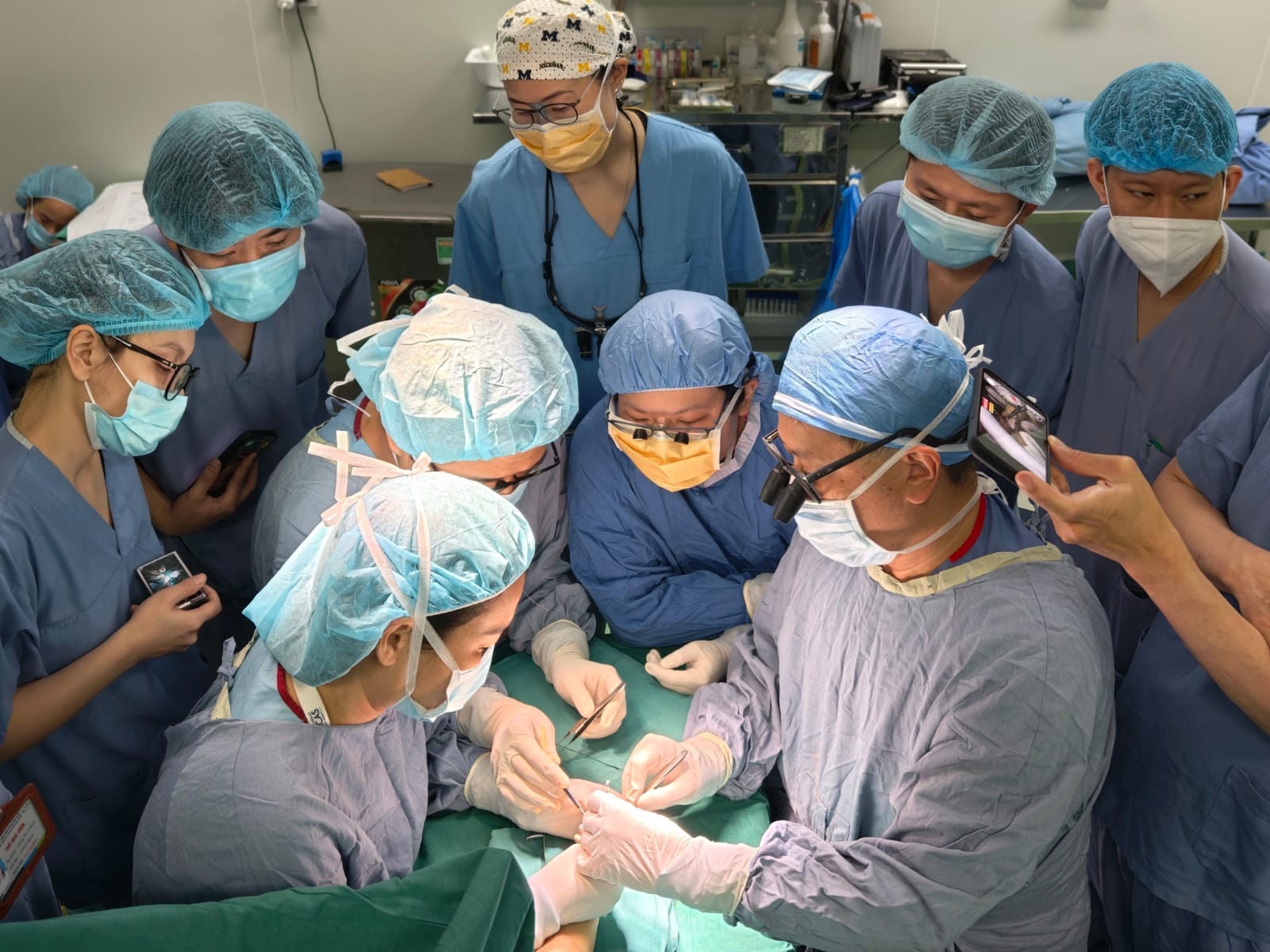
Our department is regularly involved in global outreach programmes. We believe in giving back to society by helping patients in low resourced countries. We also travel to train surgeons in other countries to manage complex cases. To date, we have regular projects in Cambodia, Vietnam, Laos, Philippines.
Who We Are
Our Academic and Research Activities
Publications
Access our research papers and thought leadership in reconstructive care.
Fellowship
Our Observership and Clinical Fellowship Programme welcomes global surgeons to experience our comprehensive approach.
Research Institute
The Hand and Reconstructive Microsurgery Research Institute is a dedicated centre committed to advancing research in hand and upper limb surgery.
News

Awards
SGH recognised for meritorious surgical outcomes
SGH recognised for meritorious surgical outcomes
07 Dec 2021
Read Story
Stay Healthy The Easy Way

Get trusted health advice, offers and more.
Stay Ahead in Healthcare Industry

Subscribe to our exclusive updates for healthcare professionals.
















Stay Healthy With
 HealthXchange
 Health Videos
Follow SGH


