



Let us help you find what you're looking for.
Patient and Family Support Groups
Synonym(s):
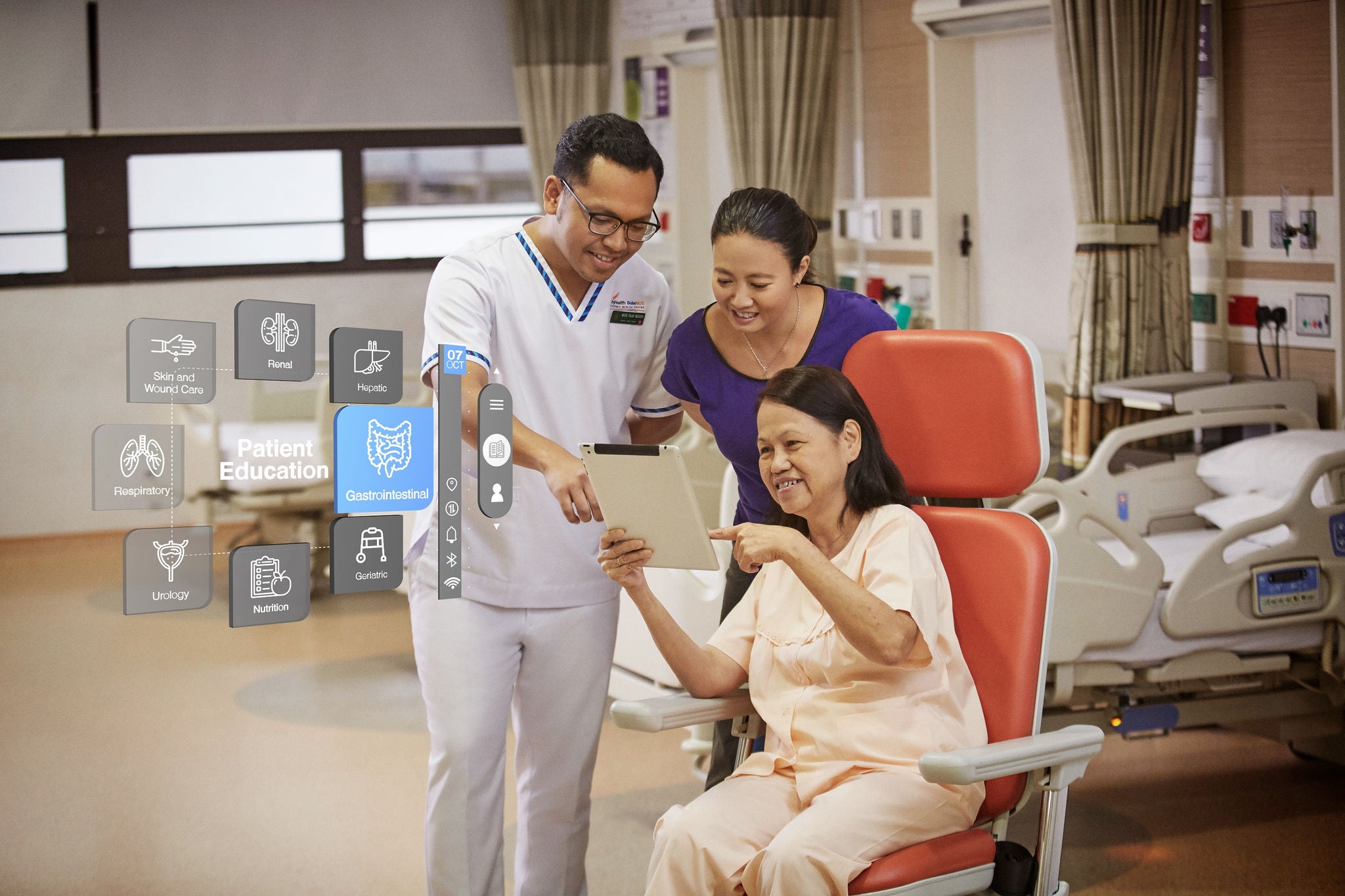


At Singapore General Hospital, we believe that care extends beyond medical treatment to include the power of human connection and shared understanding. Our patient and family support groups are anchored in compassion, bringing together individuals facing similar health challenges in safe spaces where experiences, concerns and hope can be openly shared.
Supported by healthcare professionals and peer facilitators, these groups offer practical guidance, shared learning and reassurance that you’re not navigating your health journey alone. Whether you’re a patient, family member or caregiver, you’ll find a welcoming community alongside you every step of the way.

Why Join a Support Group?
-
You're Not Alone
Connect with others who understand what you're going through and find reassurance in a community that shares similar experiences.
-
Learn and Grow Together
Access practical advice, trusted information and shared experiences that can help you better navigate your health journey.
-
Find Strength Through Support
Support groups aim to foster a respectful and confidential space where members can share experiences, concerns and challenges openly. This allows participants to connect with others, exchange support and learn from shared experiences in a trusted environment.
Real Stories from Our Support Group Community
Every health journey is unique, but no one has to face it alone. Hear from patients and caregivers who found encouragement, practical support and meaningful connections through SGH's support group community.
List of Groups
Amputee Support Group
For individuals with limb loss and caregivers to connect and build independence.
Scoliosis Support Group
A peer network for individuals with scoliosis and their families to share experiences and guidance.
Spinal Cord Injury Support Group
Support for persons with spinal cord injury and families during recovery and reintegration.
Stroke Support Group
A community for stroke survivors and caregivers adjusting to life after stroke.
WISHBONE osteoporosis
Empowers individuals with osteoporosis through education and shared experience.
Burns Support Group
A group for burn survivors and caregivers to connect, share experiences, and receive ongoing support throughout recovery.
Dementia Support Group
A conducive space exists for individuals living with dementia and caregivers to share experiences and coping strategies.
Diabetes Support Group
Shared learning space that brings together individuals with diabetes and their families.
Empowered Living Support Group
A confidential environment allows people living with HIV to connect and share experiences.
Parkinson Support Group
Community which aims to help individuals with Parkinson’s disease and caregivers navigate daily challenges.
Renal Support Group
A supportive community for patients with chronic kidney disease or on dialysis and their caregivers.
Rheumatology Support Group
Peer‑based community that brings individuals with rheumatological conditions and caregivers together around well‑being.
Blood Cancer Support Group
For individuals with blood cancers and caregivers to connect, learn, and share lived experiences.
Blossom Support Group
Survivor‑led sharing for newly diagnosed breast cancer patients navigating treatment and recovery.
Colorectal Cancer Support Group
Patient ambassador‑led sharing of experiences and guidance for individuals with colorectal cancer and families.
Gynae-Onco Support Group
Shared conversations and practical coping strategies for individuals affected by gynaecological cancers.
Haemophilia Support Group
Multidisciplinary sharing and education for individuals with haemophilia and their families.
Haematopoietic Cell Therapy and Transplant Program (HCTTP) Support Group
Peer connections between transplant recipients, pre‑transplant patients, and caregivers.
Liver & Pancreas Support Group
Holistic sharing and community activities for individuals with liver or pancreas conditions and caregivers.
Oncology Support Group
Nursing‑led sharing focused on coping with the emotional and day‑to‑day impact of cancer.
Adult Cochlear Implants Support Group
Shared experiences and practical tips for adults with cochlear implants and their families.
Community Nursing Volunteer Support Group
Volunteer engagement focused on connecting with seniors and promoting community well‑being.
Eating Disorder Support Group
A community providing guided discussions led by trained facilitators, focusing on coping strategies for eating disorders.
Enteral and Home Parenteral Nutrition Support Group
Education and shared experiences for individuals on tube feeding or home parenteral nutrition and caregivers.
Lactation Support Group
A support group providing breastfeeding education and support for mothers and families, guided by trained midwives and nurses.
Light Weight Club
A community for parents of ex‑premature babies to connect, celebrate milestones, and journey together beyond the NICU.
Liver Transplant Support Group
A space that guides individuals and caregivers on liver transplant-related challenges.
Solid Organ Transplant Patient Support Group
A support group bringing together transplant patients, caregivers, and donors to find ongoing support across the transplant journey.
Looking beyond our support groups? Explore community and care services beyond hospital care, including national agencies, volunteer programmes, and patient advocacy networks.
Frequently Asked Questions
A patient support group brings together individuals, caregivers and families who are navigating similar health conditions or life experiences. It provides a safe and supportive environment to share experiences, learn from others and access practical information and emotional support.
Support groups can help individuals feel less alone, gain practical coping strategies, learn from shared experiences and build confidence in managing their health journey. Many participants also find reassurance and encouragement through connections with others facing similar challenges.
Yes. Many support groups welcome caregivers, family members and loved ones. These groups provide opportunities to share experiences, learn practical caregiving strategies and access support from others who understand the challenges of caring for someone with a health condition.
You can browse available support groups based on your health condition, caregiving needs or area of interest. If you are unsure which group is most suitable, you may contact your care team for guidance.
Select the support group you are interested in and submit an enquiry through the contact information provided. The support group team will advise you on the next steps and any upcoming activities. Alternatively, you may call the SGH General Enquiries hotline.
Please refer to the individual support group page for more information about eligibility.
Most support groups are free to join. If there are fees for specific programmes or activities, our support group leads will provide more information during registration.
Yes. Individuals and caregivers may join multiple support groups if they feel the groups meet different needs or interests.
If you are unable to find a support group that matches your needs, please contact us via the SGH General Enquiries hotline for assistance. We may be able to recommend alternative support services, community resources or relevant programmes.
Yes, caregivers are welcome to join support groups even if the patient is not attending, subject to the eligibility criteria of each support group.
Download a copy of the SingHealth Handbook for Empowering and Learning about Caregiving Practices (HELPS) for caregiving insights and other useful resources.
Activities vary across support groups and may include educational talks, sharing sessions, wellness activities, caregiver support programmes, peer networking opportunities and community events. View our events listing for more information.
Support groups may offer in-person, virtual or hybrid activities. The format depends on the group and the nature of the programme.
No. Participation is usually flexible, and you may attend sessions based on your availability.
The language used may vary between support groups and activities. View more details on our events listing.
Events
Watch this space for the latest events.

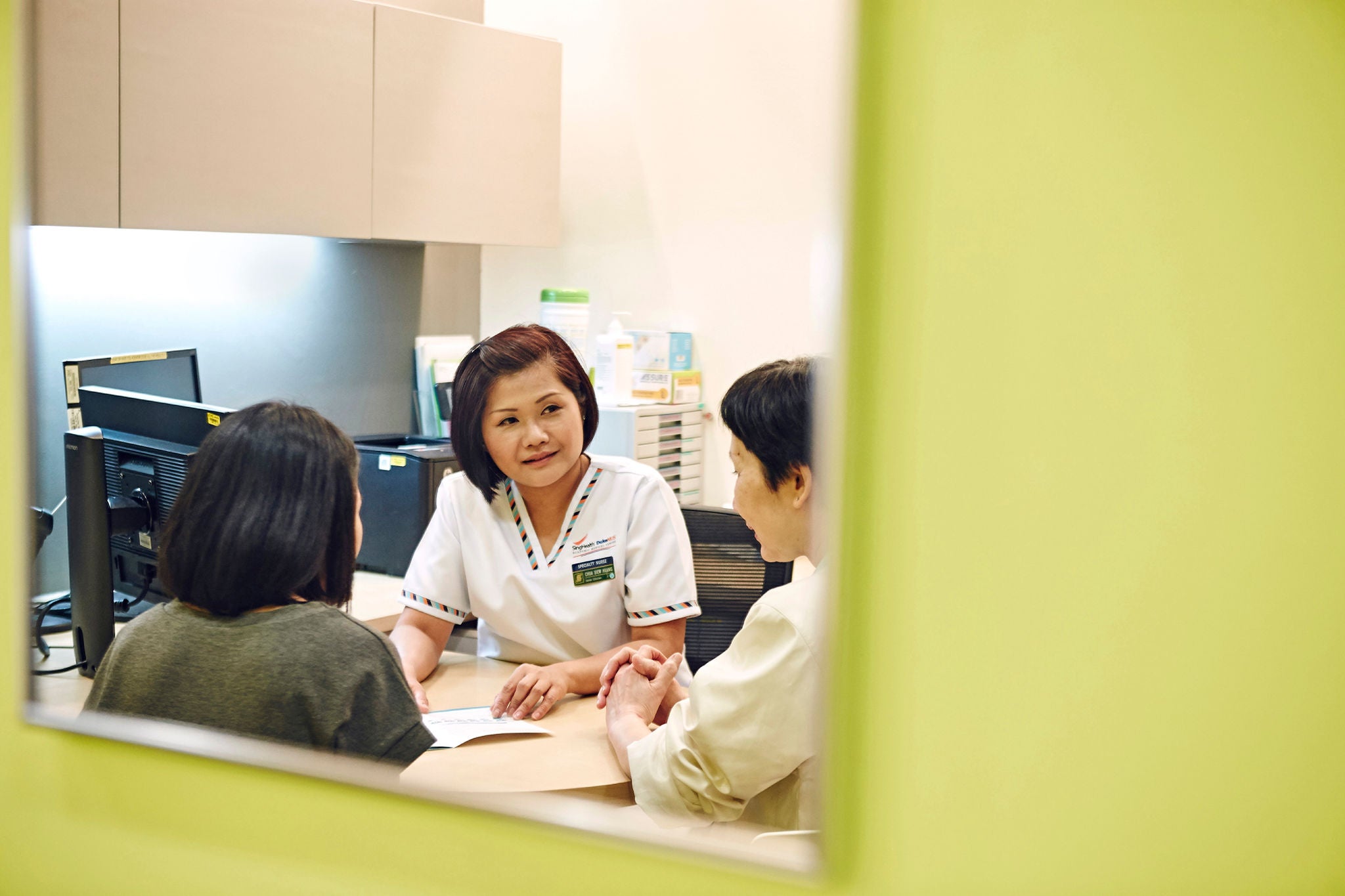
Share Your Feedback
We would love to hear from you! Reach out via the FormSG links below to get in touch.
Stay Healthy The Easy Way

Get trusted health advice, offers and more.
Stay Ahead in Healthcare Industry

Subscribe to our exclusive updates for healthcare professionals.















Stay Healthy With
 HealthXchange
 Health Videos
Follow SGH


