




Let us help you find what you're looking for.


The end-stage of Chronic Kidney Disease (CKD) is a critical one. It's when the Glomerular Filtration Rate (GFR), which illustrates how well the kidney is working, falls to 15 mL/min and below. When this happens, getting immediate treatment and advice from a doctor is tantamount.
In this article, we will deep-dive into 4 known treatments to manage CKD. These include:
- Peritoneal Dialysis
- Hemodialysis
- Kidney Transplant
- Conservative Management
The idea of undergoing any form of long-term treatment tends to carries negative connotations. But sufficient treatment & condition information, planning, and guidance from specialist doctors and counsellors
may help patients take better control of their lives and conditions.
If you are suffering from CKD, ensure you educate yourself about the treatment options and possible lifestyle changes by reading on.
1. Peritoneal Dialysis
One may think that undergoing peritoneal dialysis would be incredibly time-consuming. But when managed properly, you could still enjoy quality time with your loved ones.
Peritoneal dialysis is a renal replacement therapy that cleanses the blood of waste and excess fluids in individuals with impaired kidney function. It utilizes the body's own peritoneal membrane, a thin lining in the abdomen, as a natural filter.
A sterile dialysis solution, known as dialysate, is introduced into the peritoneal cavity through a catheter. Waste products and fluids pass from the blood vessels into the dialysate, which is then drained after a prescribed dwell time, typically facilitated by an automated cycler machine. This process helps maintain electrolyte balance and effectively manages kidney failure, offering a more flexible and home-based alternative to traditional hemodialysis.
Types of Peritoneal Dialysis
Continuous Ambulatory Peritoneal Dialysis (CAPD)

CAPD is a form of renal therapy for kidney failure. It employs the peritoneal membrane as a filter, with patients manually introducing and draining dialysate multiple times a day. Unlike automated methods, CAPD doesn't require a machine, allowing patients to maintain their usual activities. It offers flexibility and independence, making it suitable for those seeking a more active lifestyle while managing their condition
Automated Peritoneal Dialysis (APD)

APD refers to a kidney failure treatment using the peritoneal membrane typically at night whilst one is sleeping. The machine performs the fill, dwell, and drain period of each cycle so that you can continue sleeping. You will need to connect yourself to the PD machine just before going to sleep, and remain attached to it for 8 to 10 hours every night. In the morning, you may disconnect yourself from the machine and continue with your daily activities.
Advantages
- Home-based therapy
- Daily but potentially flexible
- Needle-free
- Better protection of remaining kidney functions
- Less change in blood pressure
Disadvantages
- A small tube will need to be inserted into the abdomen
- Daily dialysis is usually required
- Need for storage of dialysis equipment at home
2. Hemodialysis
Hemodialysis is a kidney replacement therapy that involves removing blood from the body, filtering it through a dialyzer machine, and then returning the cleansed blood back into the circulation. The dialyzer acts as an artificial kidney, removing waste products, excess fluids, and electrolytes from the blood.

Blood flows through one side of the dialyzer membrane, while a dialysate solution flows on the other side, facilitating the exchange of substances. Hemodialysis helps maintain a proper balance of fluids and electrolytes in the body, effectively replicating the essential functions of healthy kidneys and reducing the extent of side effects.

Advantages
-
Not daily therapy
- Trained nurses will administer the treatment at the dialysis in-centre
- No requirements for storage of dialysis equipment at home
Disadvantages
- One is required to travel to and from the dialysis centre
- Need for vascular access creation in the arm
- Possible risk of blood borne infections
- Need for needling of the vascular access 3 times a week
3. Kidney Transplant
A kidney transplant is a surgical procedure where a healthy kidney from a donor is transplanted into a person with kidney failure. The donated kidney takes over the vital role of filtering waste, excess fluids, and electrolytes from the recipient's bloodstream. The surgery involves connecting the donor kidney's blood vessels and ureter to the recipient's blood vessels and bladder.
Immunosuppressive medications are typically administered to prevent the recipient's immune system from rejecting the new organ.
The transplant offers superior mortality benefits to the dialysis. However, patients will first need to be carefully evaluated to assess their suitability. Click "Play" to watch a video about how kidney transplant works:
Potential sources of donations include:
- Living related donors, healthy blood relatives such as parents, siblings or children (above 21 years old)
- Living unrelated donors, healthy donors not related by blood such as spouses
- Deceased donor, people who donate their organs after they have passed away
After a successful transplant, one can resume normal activities post-recovery.
Advantages
- Higher survival benefits
- Better quality of life
- No dialysis needed
Disadvantages
- Major surgical risks
- Risk of mismatch resulting in a need for lifelong anti-rejection medications
4. Conservative Management
The fourth and last treatment refers to the provision of medication or abiding by a diet to alleviate symptoms associated with kidney failure.

Advantages
- No surgery required
- No downtime after medication
- Suitable for all patients
Disadvantages
- Quality of life and health may deteriorate with time
Frequently Asked Questions about Dialysis

Here are some of the common questions about dialysis and kidney failure treatments.
1. Can my kidneys recover from dialysis?
Dialysis does not help recover kidney function. It only serves to replace the kidney function when the kidneys have failed.
2. What happens if I choose not to undergo dialysis?
Without dialysis, patients may experience progressive shortness of breath, increased nausea, poor appetite, itch, pain, and confusion. Absence of treatment could be fatal.
The symptoms experienced and rate of deterioration varies greatly from patient to patient. For patients who have been advised to undergo conservative management, specialised care and medications to relieve symptoms will be provided.
3. If I have no symptoms, why must I undergo dialysis?
Symptoms of end-stage kidney failure are sometimes subtle. Emergent dialysis where patients have emergency insertion of dialysis lines for blood dialysis is associated with higher risk of death.
Elective preparation for dialysis allows time for patients to prepare mentally, emotionally, physically, and financially for a smooth transition to dialysis.
4. Do I still need to be on medications while on dialysis?
Yes. You will still need to be on medications to control other conditions that result from your kidney failure.
5. Will I feel better when I start dialysis?
Yes. Dialysis will help with some symptoms such as breathlessness due to extra fluid accumulation in the body. Dialysis also removes toxins that would otherwise make you feel nauseous and unwell.
6. Will there be side effects or discomfort while on dialysis?
Yes, there can be. This however varies from person to person.
7. Will my diet change while I undergo dialysis?
Regardless of the form of dialysis you undergo, it is important to remember to limit salt and fluid intake, but patients on peritoneal dialysis may be allowed a slightly more liberal diet. Speak to your doctor for more information.
8. Will I be able to continue on my normal activities on dialysis?
Yes, you should be able to continue with work, school, housework, and some sports. However depending on the dialysis choice, the impact may differ.
For example, patients on hemodialysis will generally have dialysis 3 times a week for 4 hours each time which can interfere with the daily routines. Patients on peritoneal dialysis can have dialysis at night so this may have a smaller impact on their daily routines.
9. Will dialysis affect my sexual life?
It is possible for people on dialysis to have a fulfilling sexual life.
10. Will I be able to travel overseas while on dialysis?
Yes. Patients on peritoneal dialysis can travel with their peritoneal dialysis fluid and perform peritoneal dialysis overseas.
However, one would need to arrange for hemodialysis at a hemodialysis centre overseas and this can be costly. It is important to inform your doctor of any travel plans so that all necessary arrangements can be made.
11. Who can I talk to about dialysis treatment options?
You may speak to your kidney doctor, nurse or kidney coordinator.
12. If I choose peritoneal dialysis, will I be trained?
Yes, you will receive dedicated training with a qualified peritoneal dialysis nurse over a span of 3 to 5 days.
13. If I run into issues with peritoneal dialysis, is there anyone I can contact?
Yes, there will be on-call nurses who are contactable 24 hours to provide advice over the phone.
False. In fact, proper hand hygiene and hand-washing techniques will help combat the risk of infection and infections are not as common.
If they occur, however, they do not require hospital admission.
15. What kind of dialysis is most suitable?
The type of dialysis that is most suitable for you depends on your personal choice and your medical condition. Speak to your doctor and kidney counsellor about your condition and needs to determine the appropriate way forward.
16. What happens if I miss my dialysis?
If you miss your dialysis, the toxins and fluid could reach a point where they make you feel very unwell and could potentially be fatal. Regular attendance is prudent.
17. How long can I live on dialysis?
Life expectancy on dialysis can vary depending on your other medical conditions and how well you follow your treatment plan.
Finally, while prospect of undergoing treatment may be daunting, rest assured that our kidney doctors, counsellors, and nurses will advise and guide you throughout the available options and their processes. Speak to us today for more information about managing dialysis for yourself or a loved one.
Download a copy of the above in your preferred language:
 Dialysis Counselling.pdf
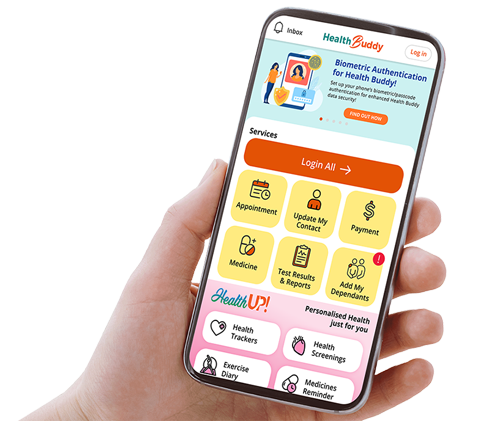
Stay Healthy The Easy Way

Get trusted health advice, offers and more.
Stay Ahead in Healthcare Industry

Subscribe to our exclusive updates for healthcare professionals.














Stay Healthy With
 HealthXchange
 Health Videos
Follow SGH


