


Let us help you find what you're looking for.


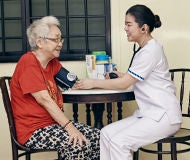
Proper nutrition and diet are crucial components of healthcare for the elderly, playing a vital role in maintaining overall health and well-being. As individuals age, their nutritional needs change, and it becomes increasingly important to address these changes to prevent health complications and enhance quality of life.
By prioritising proper nutrition, caregivers can help the elderly lead healthier, more active, and fulfilling lives, ensuring they receive the care and attention they need as they age.
In a Nutshell
Specifically for the elderly, good nutrition helps to maintain physical health. As we age, the body undergoes various physiological changes, including a slower metabolism and reduced muscle mass. A balanced diet rich in essential nutrients, such as proteins, vitamins, and minerals, supports muscle maintenance, bone health, and energy levels. Adequate nutrition can also help manage chronic conditions such as diabetes, heart disease, and hypertension, which are more prevalent among the elderly.
Hydration is another critical aspect of nutrition for the elderly. Older adults are at a higher risk of dehydration due to factors such as a diminished sense of thirst and potential side effects of medications. Ensuring that the elderly stay hydrated is essential for preventing urinary and kidney problems, maintaining cognitive function, and supporting overall physical health.
Download our leaflet below for more information and refer to the
Department of Geriatric Medicine for more information and resources:
 Guide to Preventing Dehydration for the Elderly.pdf

Stay Healthy The Easy Way

Get trusted health advice, offers and more.
Stay Ahead in Healthcare Industry

Subscribe to our exclusive updates for healthcare professionals.











Stay Healthy With
 HealthXchange
 Health Videos
Follow SGH


